
Draft Ready | Part 4: The Factors Outside Your Control (And Why They Still Matter)
Across Parts 1–3 of our Draft Ready series, we've covered how to train like a professional heading into the season, how AFL/AFLW recruiters actually identify and investigate talent, and the controllable variables you can work on to stand out - your physical and physiological development, your technical and tactical skills, and the psychological and sociological profile recruiters build on you over time.
But not everything that shapes a recruiter's decision is within a player's control.
In this final part of the series, we break down the uncontrollable variables at play in the draft process. You can't influence these factors directly, but understanding them will help you make sense of the process, manage expectations, and back yourself in with confidence.
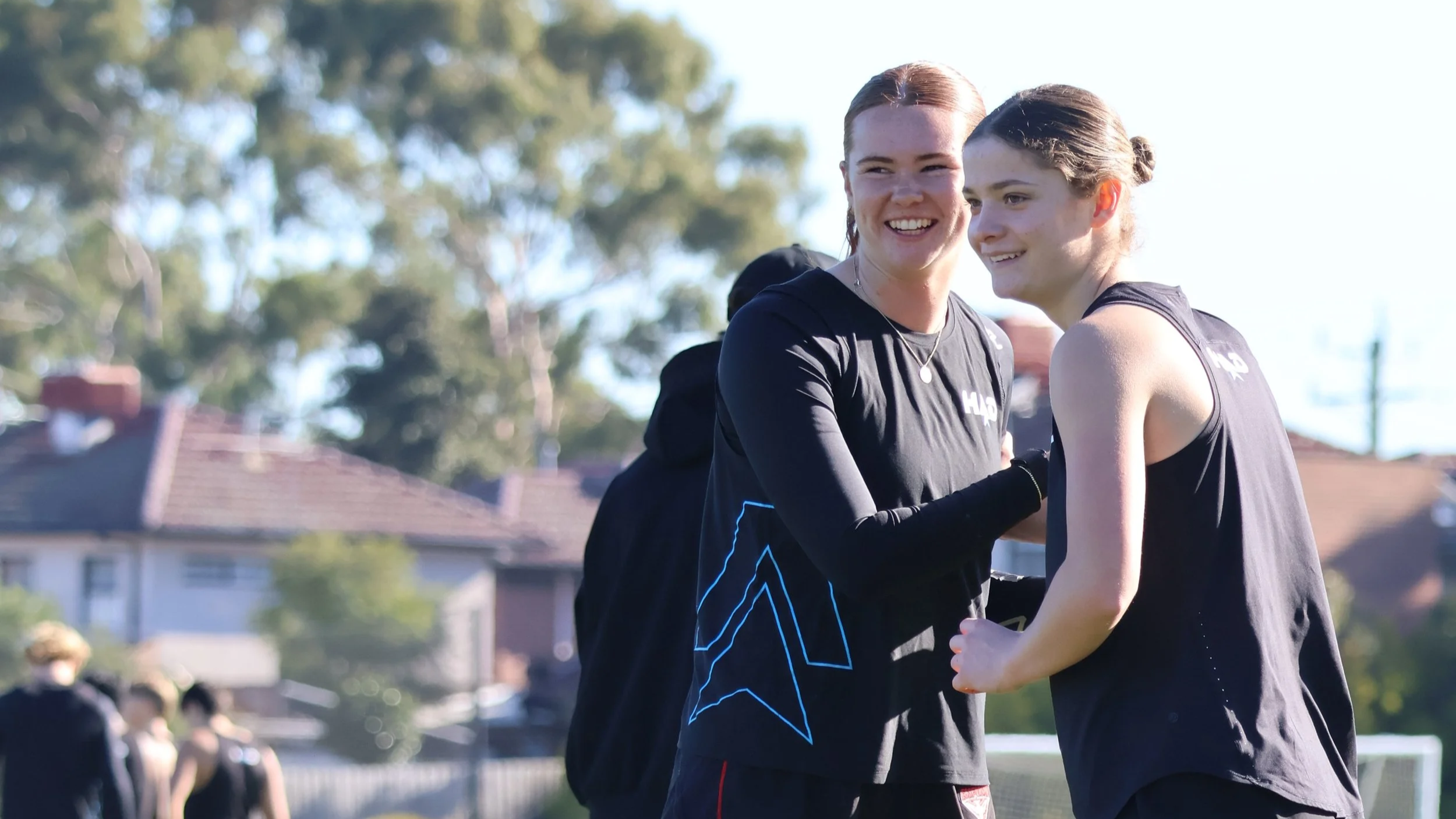
Uncontrollable Variables That Influence Draft Decisions
As we covered in Part 3, talent identification is complex, with multidimensional performance factors affecting draft decisions.
Some of these - the physical, physiological, technical, tactical, psychological and sociological - are controllable variables that a player can work on directly.
There are also, however, uncontrollable variables: things that impact selection decisions that are totally out of a player's control, but that players should still be aware of, to provide context and understanding to the process.
1. Recruiter Philosophy, Draft Experience and Tacit Knowledge
Recruiters reflect on their previous talent identification and draft experience to develop their own ‘recruiting philosophy’ - in other words, what they identify as valuable in a potential player. As the talent identification process is more implicit than explicit, recruiters lean on this philosophy, and on qualities they've previously observed in elite players, as key components of their decision-making. [2]
Part of the scouting process includes recruiters predicting and estimating a player's talent by comparing them directly to how a current elite-level player was performing at the same age. The intention behind this is for recruiters to learn from past effective (or ineffective) talent selection decisions. [1]
Recruiters regularly comment on this when discussing selections with the media — they're quick to highlight that a player has ‘a similar build to Patrick Cripps at his age’, or ‘the agility and evasiveness of Mon Conti’… comparing draft talent to elite players significantly helps recruiters make decisions.
This highlights a key point: a recruiter's tacit knowledge, and what they personally value, is not universal. It's formed through their own life and talent identification experiences within the environment they've worked in. That means whilst Club A may not place a lot of value on one player's strengths… Club B very much could.
——
Examples of this play out in every draft. There is regularly a player referred to as the ‘Smokey’ pick - often a player who has been a consistent role player within a talent pathway but is perceived as going ‘under the radar’. This player may have been overlooked by recruiters placing more value on a ‘game changer’… but who's to say that role player can't develop into a game-changing type within an elite environment?
——
What this means for you: back yourself in. Put in the work, keep sharpening your skills and improving your strengths, and there will be recruiters out there who acknowledge and want to draft the value you can bring to their club. If you don't have someone guiding that process, reach out to us.
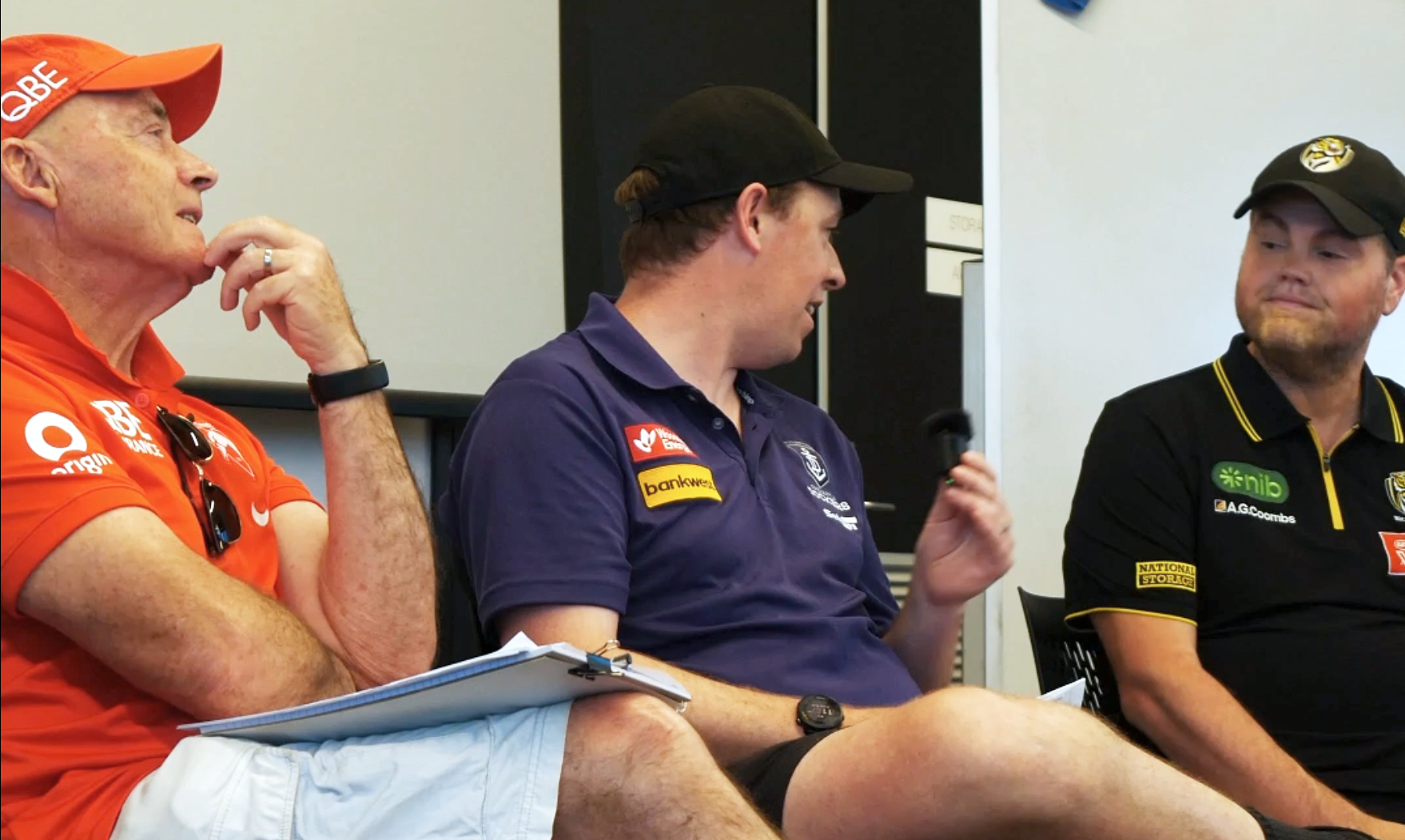
2 . Team Need and Rule Changes
As we've already discussed across this series, selection decisions are collaborative. Whilst they're informed by what an individual recruiter values in an athlete, they're also relative to the strategy and needs of the club. This is shaped by the relationship with the head coach, and the recruiter's ability to adjust their decision-making style to the specific team context, to help ensure the club is always progressing. [3] [4]
On top of team needs, there's also the need to future-proof a team list against any potential or impending rule changes. With the changes implemented in 2026, list managers needed to attract the right style of players through the draft, rookie selections, and trades to mitigate risk and future-proof their list.
——
So what were key things list managers needed to be mindful of?
When the game changes, team needs change - and this impacts what type of players get recruited.
Recruiters have reported to HAD Football that they expect the game to continue getting quicker over the next few years, until the AFL inevitably brings in rule amendments to ‘rebalance’ the game and slow it back down.
How does this impact prospective players? Well, by knowing what the game requires now - and in the future - they can work to develop the technical prowess and physical requirements to match it.
If the game is going to get quicker… we can assume recruiters are looking for:
Fast footballers
Smart footballers who make the right decisions quickly
Composed footballers
Footballers with a high disposal efficiency
Footballers who can run at high speeds with a large aerobic capacity
What this means for you: Remaining informed of what recruiters are looking for can significantly improve your draft chances - it allows you to target areas of need and develop your strengths with confidence, knowing that recruiters are looking for them.
At HAD, we build individualised programs that set our athletes up for not only the current state of the elite game, but where it is trending in the future to give them the greatest likelihood of success for a long time. If you don’t have someone building you a program like this, reach out to us.
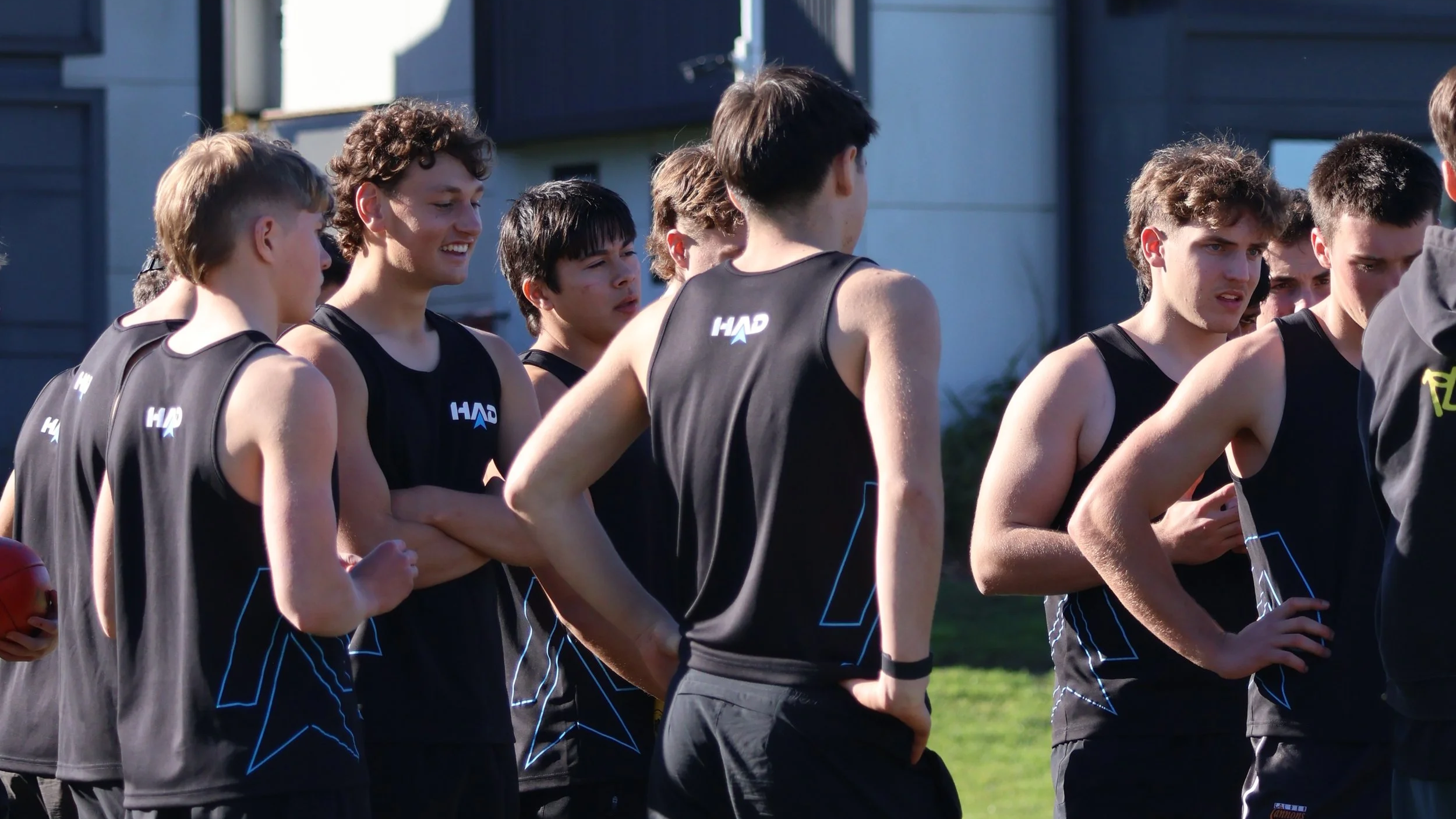
There is no Perfect Player.
When reflecting on all of this information, it's important to remember: there is no perfect player. The players who get drafted are the ones who work hard to improve their weaknesses, find ways to let their strengths shine, develop the mindset to overcome setbacks, and tick the boxes of need for a club. From there, they enter an elite environment where each club gives them the resources to develop into the player recruiters have predicted they could become.
“There's no perfect players, and let's think about what they can do and what we can fix, or at least what we can work around, in terms of their flaws or their gaps.” — Recruiter 2 [2]
If you need support in any, or all of these areas reach out to us - IT’S WHAT WE DO!
At HAD, our philosophy mirrors exactly what recruiters are looking for - an Elite Person who is also an Elite Footballer. We strongly believe that helping young people develop into well-rounded, respectable, and driven individuals is just as important as helping them become elite athletes. Our clients have access to our Wellbeing Manager, Dietitian, Business and Operations Manager, and a network of AFL and AFLW recruiters who attend our camps to provide direct advice and answer their questions.
If that sounds like something you want access to, contact us here.
Learn more about us:
Discover the stories of some of our HAD Clients and Parents.
Learn what sets us apart from other athlete development programs.
Keep learning via our Free Guides for Players + Parents.
The DRAFT READY Series
This guide has been part of our DRAFT READY series aiming to support players and parents on their footy journey through free insights based on literature and our collective experience in the industry.
References:
P. Larkin, D. Marchant, A. Syder and D. Farrow, "An eye for talent: The recruiters' role in the Australian Football talent pathway," PLoS ONE, vol. 15, no. 11, p. e0241307, 2020.
P. Larkin, N. Bonney, J. Dugdale, A. Kittel and M. J. Reeves, "Exploring talent identification in Australian Rules," Journal of Expertise, vol. 5, no. 4, pp. 169-183, 2022.
C. MacMahon, A. Bailey, M. Croser and J. Weissensteiner, “Exploring the skill of recruiting in the Australian Football League,” International Journal of Sports Science & Coaching, vol. 14, no. 1, pp. 72-81, 2019.
K. Henriksen, N. Stambulova and K. K. Roessler, “Holistic approach to athletic talent development environments: A successful sailing milieu,” Psychology of Sport and Exercise, vol. 11, no. 3, pp. 212-222, 2010.